Cannulation Course

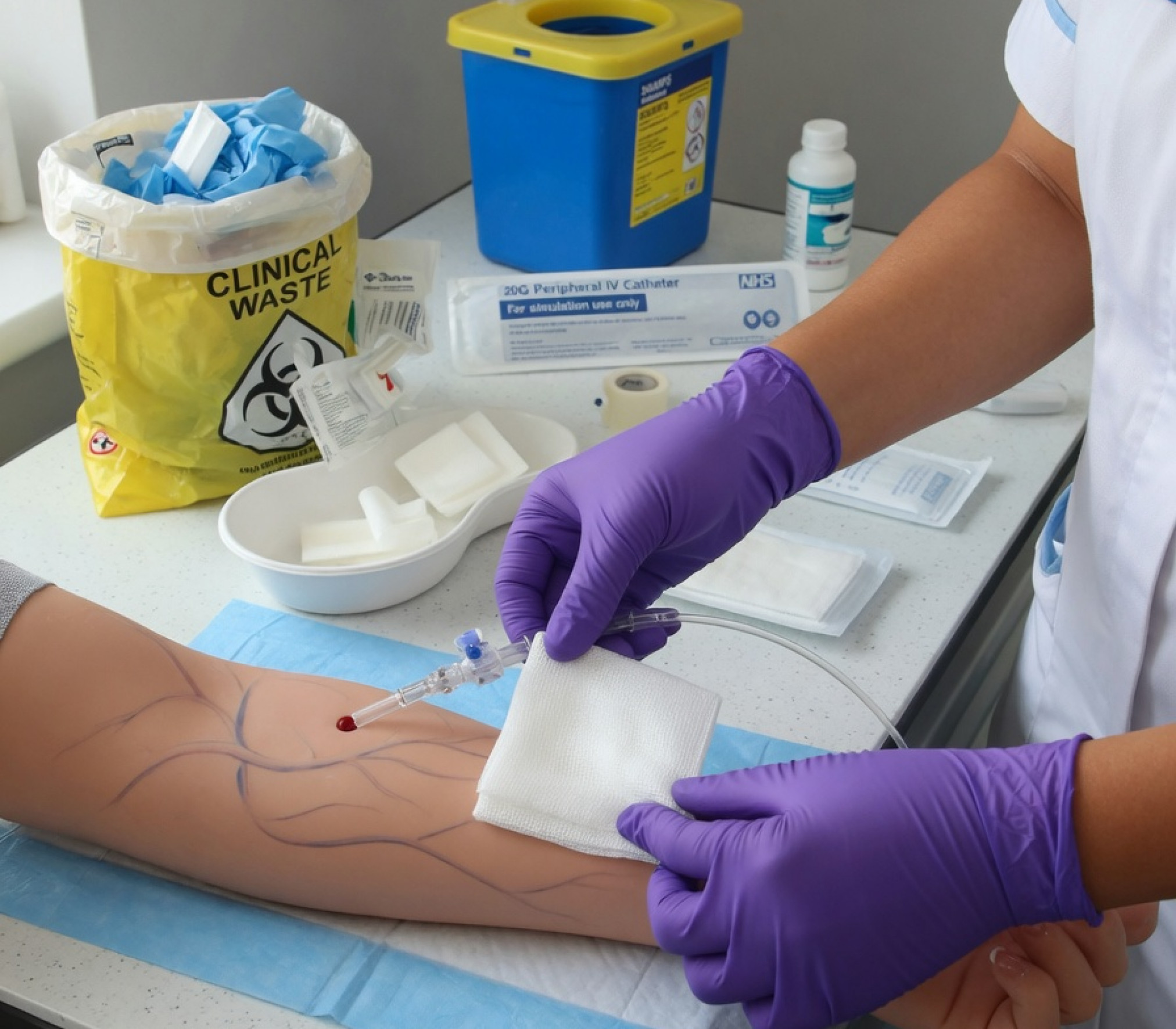
Key Features
Of this Cannulation Course:
- Covers all standard peripheral venous cannulation techniques used across UK clinical settings
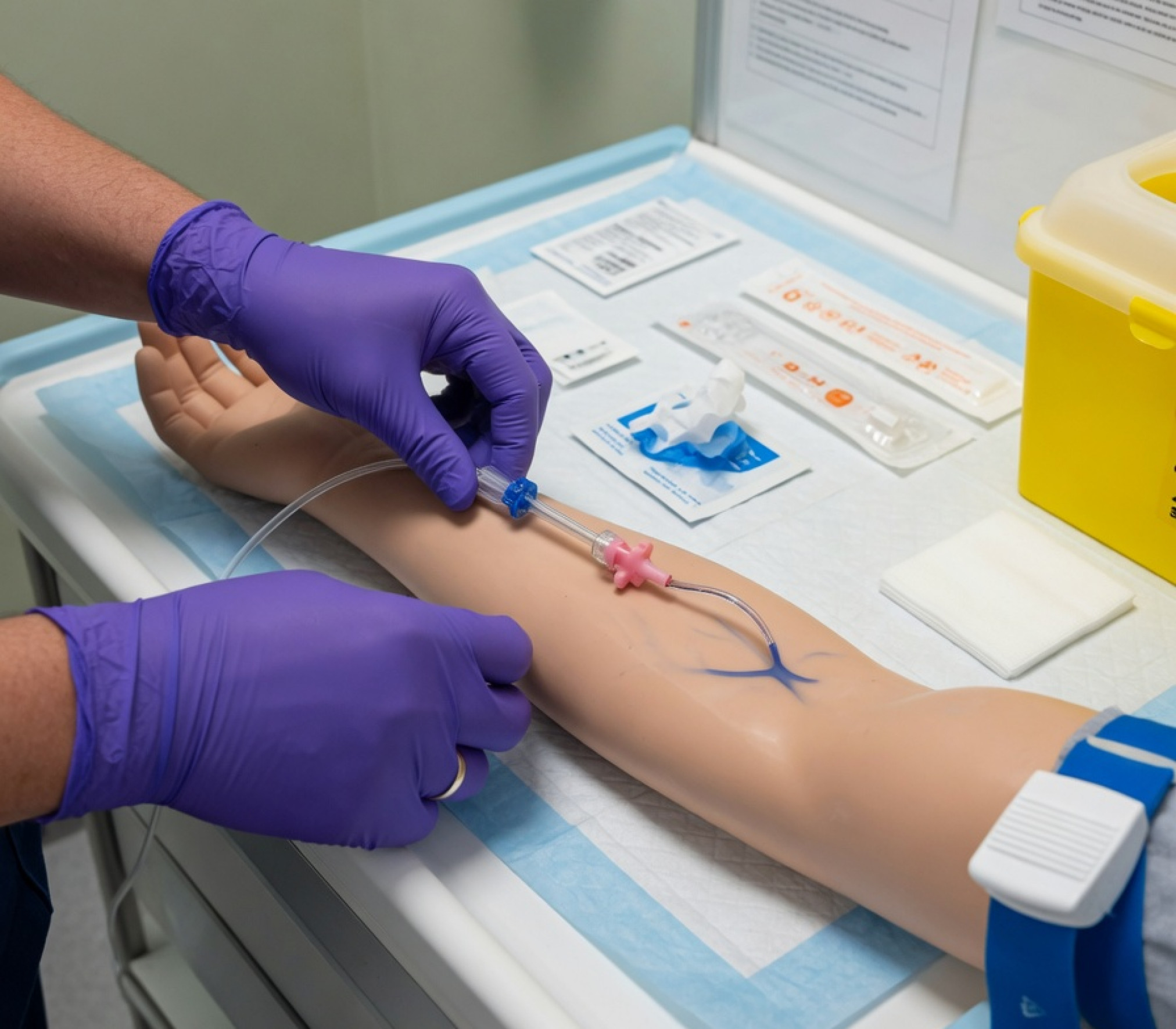
- Includes both theory and supervised practical sessions on live models and simulation arms
- Addresses infection prevention, patient consent, and complication management in line with current NHS and NMC standards
- Suitable for registered nurses, midwives, paramedics, and other healthcare professionals who insert cannulas as part of their role
- Provides clear guidance on equipment selection, vein assessment, and documentation requirements
Course Date Availability
Cannulation training at the following 2 centres. Prices from £195 per person :
| Training Centres | Next Available Dates |
|---|---|
| Dartford | 6th Jun 2026 |
| Southampton | 3rd Aug 2026 |
Course Information
Overview:
Peripheral venous cannulation is a core clinical skill performed daily across hospitals, community teams, and emergency care settings. This course delivers the full, recognised UK standard training that equips delegates with both the theoretical knowledge and the practical competence required to insert, manage, and remove peripheral intravenous cannulas safely. In 2026, with increasing emphasis on reducing avoidable harm and improving patient experience, the ability to perform this procedure competently remains essential for any healthcare professional whose role involves vascular access.
Who Should Attend?
This course is designed for:
- Registered nurses working in acute, community, or critical care environments
- Midwives who require cannulation skills for maternity and neonatal care
- Paramedics and ambulance clinicians needing to refresh or formalise their technique
- Operating department practitioners and theatre staff
- Healthcare assistants or clinical support workers whose local policy permits cannulation under supervision
What You Will Learn
By the end of the course you will be able to:
- Anatomy and physiology of peripheral veins and surrounding structures
- Indications, contraindications, and patient assessment for cannulation
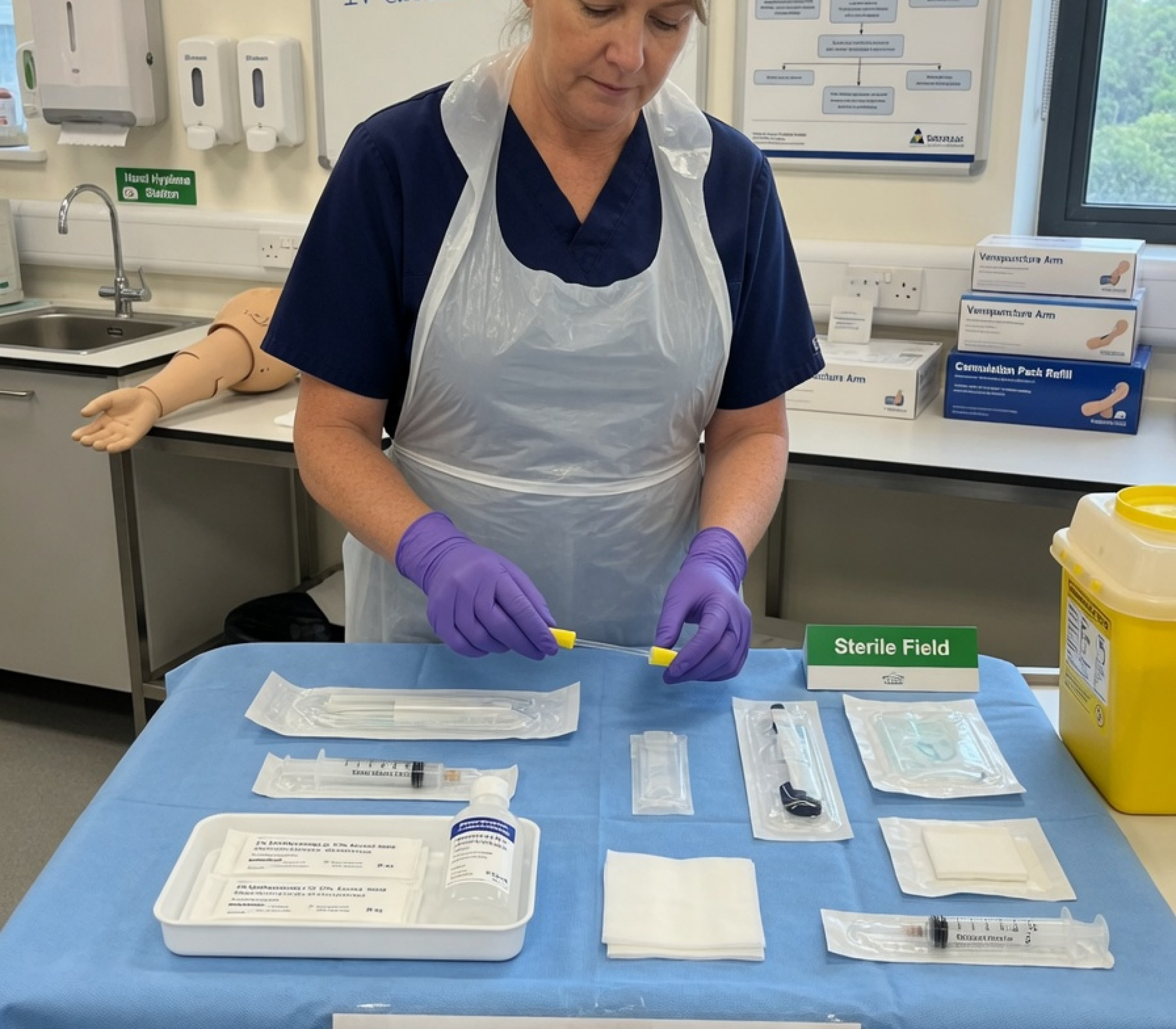
- Infection prevention and aseptic non-touch technique (ANTT)
- Equipment selection, cannula gauge choice, and preparation of flush solutions
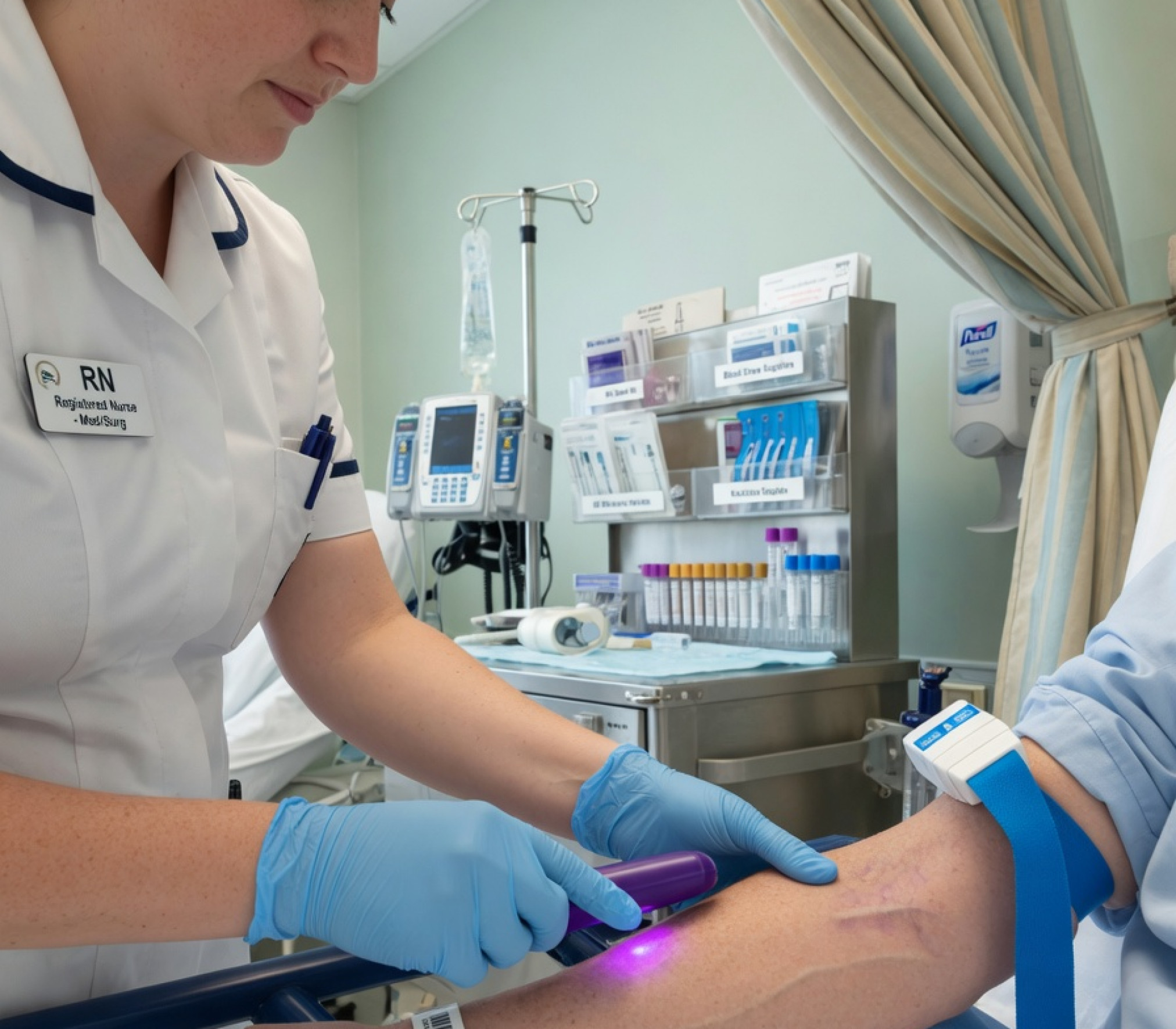
- Vein location, tourniquet application, and insertion techniques on different patient groups
- Complication recognition and management including infiltration, phlebitis, and extravasation
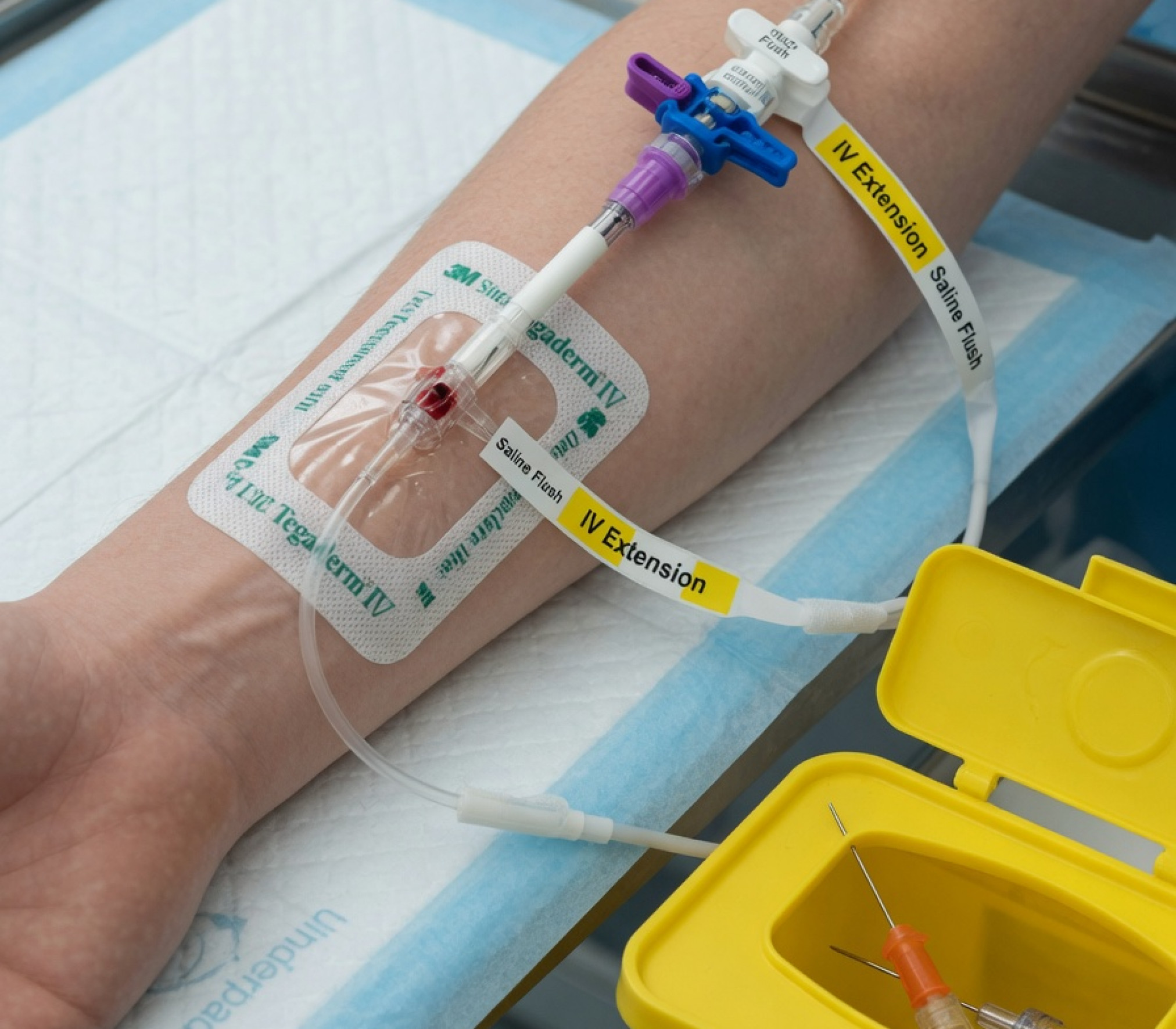
- Documentation, labelling, and ongoing care of the cannula site
- Legal, professional, and consent considerations under current UK guidance
Course Agenda
Overview:
The course runs over one full day (approximately 7 hours) and combines short theory presentations with extensive supervised practical sessions using both simulation arms and live models where appropriate. Delegates receive a comprehensive workbook and complete multiple skills assessments throughout the day.
Key Modules Covered
What you will learn:
- Module 1: Professional and legal responsibilities
- Module 2: Anatomy, physiology, and vein selection
- Module 3: Infection control and ANTT principles
- Module 4: Equipment identification and preparation
- Module 5: Practical insertion techniques and simulation practice
- Module 6: Complication identification and management
- Module 7: Documentation, aftercare, and removal procedures
- Module 8: Competency assessment and action planning
Private Courses On-site
Cannulation training is also available as a dedicated course, at your premises, and on a date and time of your choosing. Advantages of group / private course is the convenience of candidates being in familiar surroundings and not having to travel, the lowest price, and the ability to have the course tailored to your own application.
Latest Delegate Feedback
⭐ Rated 4.2 By Our Candidates - (167 reviews)
My account manager was Nicoleta Angheluta....!
★★★★★
5 ⭐ – Chris D - Mon 11th May 2026
13 people from the business said the training event which took place at the Slough venue recently was structured and well organised.
★★★★★
5 ⭐ – Robert B - Tue 5th May 2026
Posh venue, nice. Donna thanks..!...!
★★★★
4 ⭐ – PHILIP M - Tue 5th May 2026
Simply put the class / course that took place in Slough recently was big hand.
★★★★★
5 ⭐ – M.Eustace - Mon 4th May 2026
Accreditation & Next Steps
What you will achieve as a result:
On successful completion delegates receive a certificate of competence in peripheral venous cannulation. The certificate is usually valid for three years, after which a refresher course is recommended to maintain skills and stay current with any updates to national guidance. Delegates are advised to follow their local trust or employer policy regarding supervised practice following the course.
Frequently Asked Questions
Most commonly asked Cannulation questions:
The course is delivered as a single full day of training, typically lasting seven hours including breaks and assessment time.
Delegates should be registered healthcare professionals or clinical support workers whose role involves or will involve peripheral cannulation. No prior cannulation experience is required, though basic life support training is recommended.
Yes. Practical sessions use both high-fidelity simulation arms and supervised practice on live models to develop technique and confidence.
The course covers anatomy, vein selection, infection control using ANTT, equipment choice, insertion techniques, complication management, documentation, consent, and legal responsibilities.
Assessment includes a short written test and observed practical skills on simulation equipment. Delegates must demonstrate safe technique and correct ANTT throughout the assessment.
Successful delegates receive a certificate of competence. Most organisations recognise the certificate for three years before a refresher is advised.
You should wear clinical uniform or smart attire appropriate for practical sessions. All equipment, workbooks, and assessment materials are provided on the day.
No. While there is some overlap in infection control and vein selection, this course focuses specifically on peripheral cannula insertion, management, and removal rather than blood sampling or full IV therapy management.
Yes. Many organisations arrange on-site delivery so staff can train together using their own equipment and local policies.
Delegates who do not meet the required standard on the first attempt receive additional coaching and a second opportunity to demonstrate competence before the end of the day.
Competent cannulation reduces failed attempts, minimises patient discomfort, lowers infection risk, and supports timely administration of fluids and medication.
The course includes an overview of considerations for paediatric patients and highlights key differences in technique and equipment, though additional specialist training is usually required for regular neonatal work.
Prices per person typically start at £195. Discounts available for multi person or group bookings (depending upon location)
More Information
The training follows current national standards and best practice guidance used across NHS organisations and independent healthcare providers. Practical sessions allow delegates to develop confidence before returning to their workplace.
Last updated: May 2026 • Part of XYZ Training Group